
Chiptuning basics: what it is and what it does
Basics of chiptuning explained
In this article
For professional tuners, automotive workshops, and advanced enthusiasts, chiptuning is a familiar term. Yet there are still many misconceptions about what it actually involves and what results can realistically be achieved. At Dyno-ChiptuningFiles.com, we focus on providing precise ECU recalibrations that are dyno tested and validated by certified programmers. This ensures that every tuning solution delivers measurable improvements in performance and efficiency without compromising safety or reliability.
This article explains the fundamentals of chiptuning, addresses common questions, and highlights both the advantages and the possible downsides.
What is the meaning of chiptuning?

Chiptuning refers to the process of modifying the parameters stored in the ECU of a vehicle. The ECU, or Engine Control Unit, controls functions such as fuel injection, ignition timing, boost pressure, and torque management. By carefully adjusting these maps and limiters, the engine can be optimized for more power, improved torque delivery, or better fuel efficiency.
It is important to note that chiptuning is not a generic software modification. When done professionally, it involves a detailed recalibration tailored to the specific ECU and vehicle setup. Our files are developed in house and tested on the dyno to guarantee accuracy and reliability.
What does chiptuning do?
A properly executed chiptuning adjusts the way the engine responds under load. The most common results are:
-
Increased power and torque across the rev range.
-
Smoother acceleration and more responsive throttle behavior.
-
Potential fuel savings in part load conditions, especially on diesel engines.
For workshops and tuners, these improvements are not just about peak numbers but about drivability. A vehicle that delivers its torque earlier in the rev band, maintains stable air fuel ratios, and responds predictably provides a better experience for the driver and reduces mechanical stress when compared to aggressive, untested modifications.
What is the downside of chiptuning?
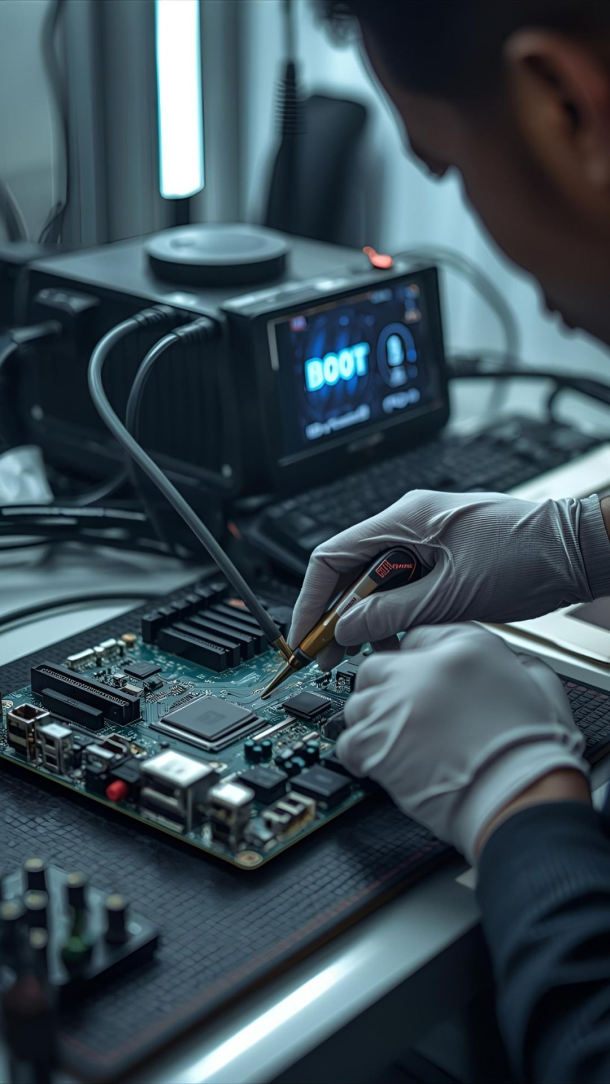
When carried out by inexperienced parties or with poorly tested files, chiptuning can carry risks. Examples include:
-
Increased wear on engine and drivetrain components due to excessive torque or boost.
-
Higher exhaust gas temperatures leading to turbo or DPF issues.
-
Potential warranty concerns when modifications are detected by the manufacturer.
This is why the quality of the file and the professionalism of the tuner are critical. At Dyno-ChiptuningFiles.com, every file is thoroughly checked for safe limits. We ensure that critical parameters such as air fuel ratio, turbo pressure, and injection timing remain within safe boundaries. This minimizes the downsides while still delivering noticeable performance gains.
Does tuning increase speed?
Chiptuning does not directly change the top speed of a vehicle unless speed limiters are specifically adjusted. What it does is increase the available power and torque, which improves acceleration and in gear performance. The result is a vehicle that feels faster, overtakes more confidently, and can reach higher speeds more quickly if limiters allow.
For most customers, the real benefit lies in improved drivability rather than absolute top speed. Workshops that use our files can deliver a refined upgrade where performance, reliability, and safety are balanced.
Why work with Dyno-ChiptuningFiles?
In an industry where generic files and unverified claims are widespread, Dyno-ChiptuningFiles distinguishes itself by offering dyno tested solutions created by certified programmers. Every calibration is custom made for the ECU and tested under real load conditions on our in house dynamometer. This ensures that professional tuners and workshops can trust the results they deliver to their clients.
We combine technical precision with years of experience, supporting workshops with reliable files, fast delivery, and expert guidance. The outcome is always a professional tuning solution that enhances performance without compromising safety.
Chiptuning is the controlled optimization of an engine’s ECU software. When done correctly, it increases power, torque, and drivability, while in some cases even improving efficiency. The downsides appear only when files are poorly developed or when safe limits are ignored.
Our approach is based on expertise, dyno validation, and certified programming. For workshops and tuners, this means confidence that every project will deliver the promised results safely and consistently.