
Gearbox tuning, is it safe and is it worth it?
Discover how gearbox tuning works when it is safe and when it is worth it and how Dyno Chiptuning develops stable tested TCU calibrations.
In this article
For many professional tuners and workshops engine calibration is a familiar daily task, while gearbox tuning still raises more questions. Customers ask whether a gearbox remap is safe, what tuning a gearbox actually does, and whether a gearbox tune is really worth the investment. From a technical perspective those are valid questions, because modern transmission control units are complex and are closely integrated with the engine management system.
Dyno-ChiptuningFiles.com works with both engine and gearbox control units and treats them as one driveline system rather than two separate modules. That system view is essential if you want predictable results, controlled clutch loads and stable shift quality. In this article we explain what gearbox tuning changes, how safety is managed, and in which situations it offers clear benefits for your customers and your workshop.
What gearbox tuning actually does
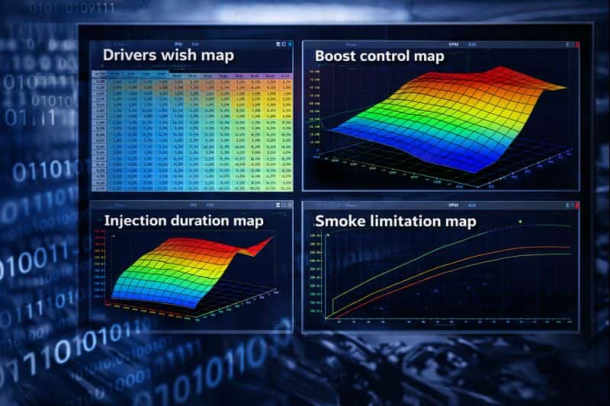
Gearbox tuning usually means calibration changes in the transmission control unit or TCU. The exact scope depends on the type of transmission and the goal of the project, but commonly affected areas include
-
Torque limiters that define how much engine torque the gearbox will accept
-
Shift points and gear selection logic in drive and sport modes
-
Shift pressure and shift time to make changes quicker or smoother
-
Converter lockup strategy for automatic transmissions
-
Launch control and protection functions on dual clutch systems
When the engine has already been tuned, the gearbox may still enforce the original torque limits. The result is that the engine tries to deliver more torque, while the TCU is requesting less. This can cause unnecessary torque intervention, softer acceleration or even fault codes. A targeted gearbox calibration aligns the torque structure of engine and TCU so they agree on what is allowed.
For the driver this can translate into more decisive shifts, better use of the available torque band and reduced hunting between gears. For the workshop it means fewer complaints about inconsistent behaviour after an engine tune.
Is a gearbox remap safe?
The question is a gearbox remap safe is about more than whether the vehicle drives after the flash. True safety includes clutch life, oil temperature, shift stability and long term reliability of shafts, bearings and synchronisers. A gearbox tune is safe when the calibration stays within what the mechanical and hydraulic system can handle in continuous use.
We approache safety on three levels
-
Mechanical limits
We respect known torque and clutch pressure capacities for specific gearbox families instead of simply removing all limits.
-
Thermal management
Where possible we monitor oil temperature behaviour on the dyno and during road tests to ensure converter or clutch slip does not cause excessive heat.
-
Functional safety
We maintain or refine protection functions rather than disabling them. In many units there are separate limits for oil temperature, clutch wear and shift plausibility that should remain active.
Problems usually arise when a gearbox is forced to accept more torque than it was designed for, or when shift behaviour is made artificially aggressive without thinking about daily use. A professional gearbox tune should improve coordination and response while keeping safety margins intact.
When gearbox tuning adds real value
Not every vehicle needs a gearbox tune, but in many common scenarios it offers clear technical benefits.
Typical use cases where gearbox tuning is worth considering include
-
Turbocharged engines with a strong mid range torque increase after an engine tune
-
Dual clutch gearboxes where the factory calibration prioritises comfort and early upshifts
-
Automatic transmissions that hold high gears too long and feel lazy after a power increase
-
Vehicles used for towing where better lockup control and shift logic reduce heat and improve response
In these cases a gearbox tune helps the transmission use the extra torque more effectively and prevents it from constantly trying to protect itself through torque reduction or soft shifts. The result is not only a faster car but also a driveline that feels more coherent and professional.
From the workshop perspective gearbox tuning can also reduce the number of follow up visits after engine tuning, because complaints about slow shifts or unstable behaviour are addressed at the root.
What a well developed gearbox tune looks like
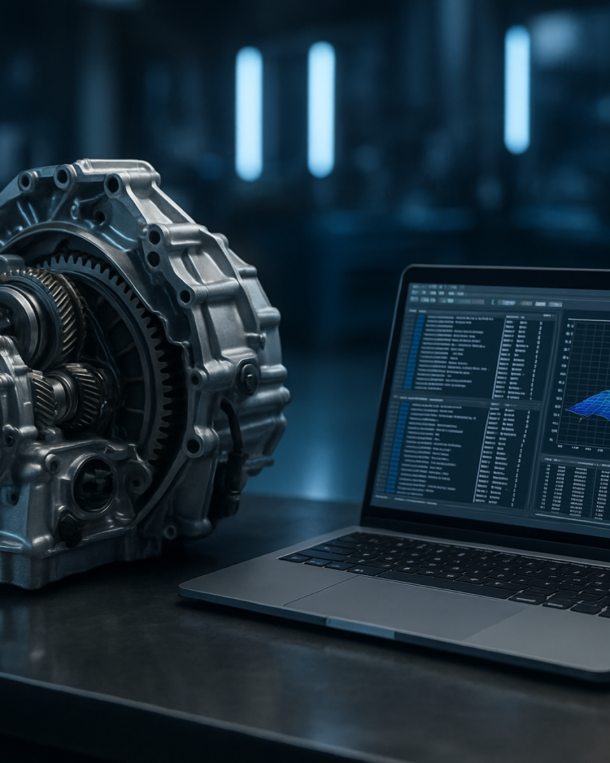
A well developed gearbox tune is more than a single map change. It has predictable behaviour in different modes and conditions.
Typical characteristics of a professional calibration include
-
Clear but not harsh shifts in drive and more assertive behaviour in sport
-
Logical kickdown behaviour that uses the real torque of the tuned engine
-
Stable clutch engagement without shudder or hesitation
-
Protection functions that still react correctly to excessive temperature or slip
On the technical side Dyno-ChiptuningFiles focuses on making sure that
-
Requested and allowed torque values match the engine calibration
-
Shift pressures and times are adapted in a controlled way, not simply maximised
-
Limits are raised where appropriate but not completely removed
This balanced approach keeps the vehicle suitable for daily use, even if the customer sometimes uses the extra performance.
Is a gearbox tune worth it for your customers?
Whether a gearbox tune is worth it depends on the vehicle, the existing engine state and the expectations of the driver.
It is often clearly worth it when
-
The engine is already tuned and the customer reports slow or confused shifting
-
The gearbox torque limit is clearly holding back the tuned engine
-
The car is regularly used for towing or spirited driving where better gear selection matters
The added value is not always about peak performance numbers. Many drivers appreciate that the car responds more consistently, uses the right gear more often and feels more direct without losing comfort in normal driving. For workshops this translates into higher customer satisfaction and a more complete product when offering an engine tune.
There are also cases where you may advise against gearbox tuning, for example very high mileage units with existing slip issues or unknown service history. In those situations it is more honest to address hardware first.
How Dyno-ChiptuningFiles.com supports safe gearbox tuning
We treat gearbox tuning with the same level of discipline as engine calibration. For professional tuners and workshops this means
-
Access to programmers who know the interaction between engine and TCU calibrations
-
Use of dyno testing and data logging to monitor shift behaviour and torque transfer
-
Clear definition of the goal of each file, whether it is mainly for torque capacity, shift speed, comfort or towing use
-
Consistent version control so that engine and gearbox files belong together and can be traced in your records
By integrating gearbox and engine tuning in a controlled way we help you offer a complete driveline solution rather than a single power upgrade. That combined approach is what makes gearbox tuning both safe and worthwhile in a professional environment.
Gearbox tuning is a powerful tool when used with clear technical limits and a good understanding of the driveline. A gearbox remap can be safe provided that mechanical and thermal margins are respected and protection functions remain in place. Tuning a gearbox mainly optimises torque handling, shift strategy and response so that the transmission works with the tuned engine instead of against it.
For many tuned vehicles a gearbox tune is indeed worth it because it unlocks the full potential of the engine calibration and significantly improves drivability. With Dyno-ChiptuningFiles.com as your file partner you can approach gearbox tuning as a precise and reliable service that fits seamlessly into a professional workshop workflow.