
ECU coding vs ECU programming: what's the difference and how it works
ECU coding changes existing configurations, while ECU programming rewrites how the engine control unit operates. Learn the key differences, required tools, and why professional expertise ensures safe, reliable, and performance-driven tuning results.
In this article
In the world of automotive tuning, precision and understanding are everything. For professional tuners, workshops, and experienced enthusiasts, terms like ECU coding and ECU programming are part of daily conversation, but they are often used interchangeably when in fact they refer to distinct processes. Understanding the difference is essential for ensuring accurate results, safe modifications, and reliable performance. At Dyno-Chiptuningfiles.com, we focus on delivering certified, dyno tested ECU files and professional insight into every aspect of engine management, including these critical distinctions.
What is ECU coding?
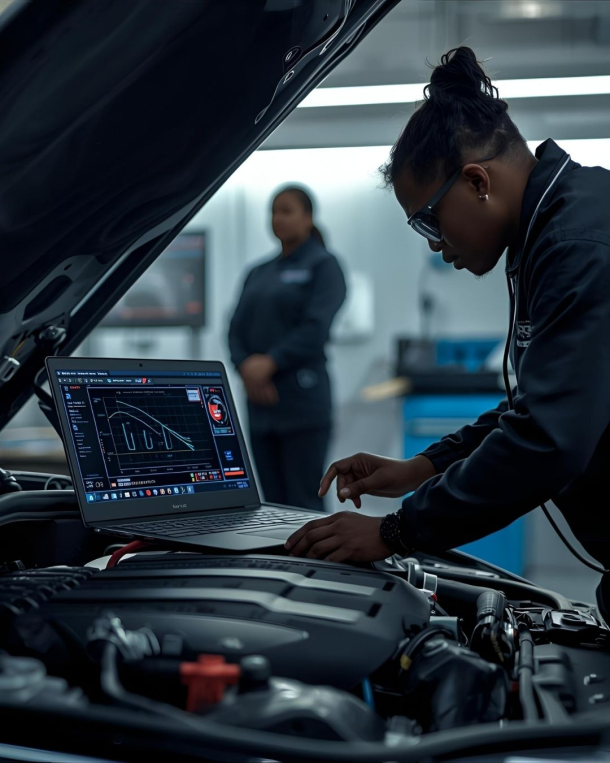
ECU coding refers to configuring the electronic control unit to alter predefined parameters or activate existing functions. It does not rewrite the software itself but instead adjusts the way the existing firmware behaves within certain limits. In essence, coding changes the vehicle’s configuration data rather than its operational logic.
For example, coding can enable or disable specific features such as automatic start-stop, exhaust valve behavior, or lighting configurations. In modern vehicles, many of these functions are pre-installed in the ECU software but deactivated or restricted depending on the market or vehicle trim level. Through ECU coding, these features can be activated without altering the base software structure.
In technical terms, ECU coding involves writing configuration values, often referred to as adaptations, into designated memory addresses. It uses manufacturer-level diagnostic communication protocols such as UDS or KWP2000 over CAN. These values determine how the ECU interprets inputs, manages outputs, and communicates with other modules.
What is ECU programming?
ECU programming, on the other hand, is a deeper and more complex process. It involves modifying the ECU’s firmware or calibration data, effectively rewriting parts of the software that control the engine’s operation. This includes parameters such as fuel injection timing, boost pressure, ignition advance, and torque limiters.
Programming changes the actual behavior of the powertrain system and requires specialized tools, accurate data, and thorough dyno testing to ensure performance and reliability. While coding adjusts what the ECU allows, programming determines how the ECU operates.
At Dyno-Chiptuningfiles.com , ECU programming is carried out by certified professionals using advanced bench and OBD programming tools combined with controlled dyno environments. Every calibration file is individually developed and tested to achieve optimal performance without compromising engine safety or emissions compliance.
How ECU coding and programming differ in application
From a workshop perspective, the difference between coding and programming defines the type of service offered and the expertise required. Coding is typically used to customize vehicle functions or adapt new control units to a vehicle after replacement. Programming is used when performance, efficiency, or specific calibration targets need to be achieved.
For instance, after installing a new ECU, coding ensures it communicates properly with other modules in the vehicle’s network, ABS, transmission, or immobilizer. Programming, however, would be applied when tuning a vehicle for increased horsepower, improved throttle response, or optimized fuel economy.
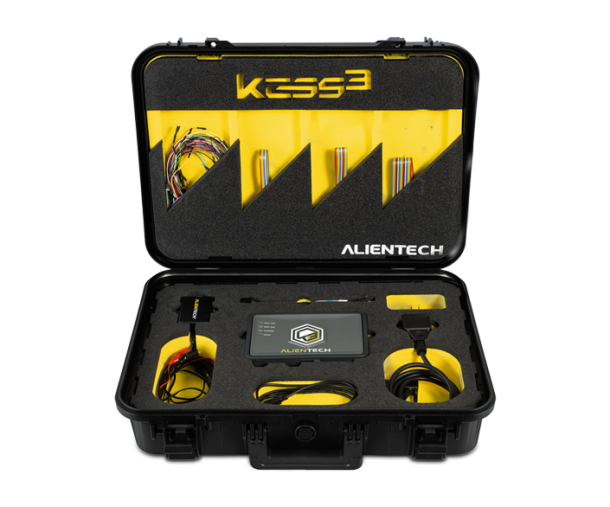
The tools used for these tasks also differ. Coding is performed with manufacturer-level diagnostic interfaces such as ODIS, ISTA, or VCDS, which communicate directly with the ECU’s configuration tables. Programming uses dedicated calibration tools like WinOLS, CMD Flash, or Alientech KESS/KTAG, enabling complete access to the ECU’s internal maps and firmware.
hat coding language do car ECUs use?
While the tuning community often refers to ECU “languages,” car ECUs do not use a single coding language in the conventional sense. The firmware inside an ECU is typically written in C or C++ during development and then compiled into machine code specific to the microcontroller architecture, such as Infineon Tricore or Motorola MPC.
For tuners and workshops, the interaction happens at a higher level through protocols and diagnostic data blocks rather than through source code. Tools interpret this data, allowing professionals to modify calibration tables or parameter sets without accessing the raw programming language itself. Understanding these structures and protocols is what separates professional-level ECU work from hobbyist experimentation.
Why expertise matters
Whether adjusting configurations through coding or rewriting operational data through programming, both processes require a deep understanding of ECU architecture and calibration logic. Incorrect values, improper checksum handling, or unsupported modifications can result in unstable operation or even permanent ECU damage.
That is why professionals rely on established partners such as Dyno-Chiptuningfiles. With years of experience, certified programmers, and dyno verified tuning files, Dyno-Chiptuningfiles ensures that every ECU modification, coding or programming, is executed with precision, reliability, and a thorough understanding of vehicle systems.
In a market saturated with generic tuning solutions, professional tuners and workshops need trustworthy data and proven results. Dyno-Chiptuningfiles.com provides exactly that: custom, tested ECU files that perform consistently in real-world conditions.
In summary: ECU coding adjusts existing configurations, while ECU programming rewrites how the ECU operates. Both are essential tools in modern vehicle tuning, but each demands its own expertise. At Dyno-Chiptuningfiles, both processes are carried out with certified precision, ensuring safe, tested, and optimal performance for every client.