
How to tune your car
In this blog we going to teach you how to tune your car
In this article
How to tune your car
Tuning your car isn’t just about making it louder or faster — it’s about unlocking its true potential. Whether you’re chasing more horsepower, better fuel economy, or just a smoother ride, tuning helps optimize your car’s performance to suit your driving style.
In this post, we’ll break down everything you need to know — from the basics to advanced upgrades — so you can confidently take the first steps toward tuning your ride.
Car tuning refers to modifying your car’s engine, suspension, transmission, or electronics to improve performance or aesthetics. In essence, you’re fine-tuning the way your vehicle behaves.
There are two main types:
-
ECU (Electronic Control Unit) Tuning: Adjusts software settings to optimize power, torque, and fuel efficiency.
-
Mechanical Tuning: Upgrades hardware like exhaust systems, turbochargers, or air filters for better airflow and performance.
Step 1: Know Your Goals
Before you grab a wrench or a laptop, define why you’re tuning:
-
More power? Focus on ECU remapping, air intake, and exhaust upgrades.
-
Better handling? Consider suspension tuning, tire upgrades, and weight distribution.
-
Fuel efficiency? Optimize your ECU for economy rather than peak performance.
Your goal determines your tuning approach — and your budget.
Step 2: ECU Remapping (Chip Tuning)
Modern cars rely on the ECU to manage everything from air-fuel ratios to turbo boost.
By “remapping” the ECU, you can:
-
Increase horsepower and torque
-
Improve throttle response
-
Optimize fuel efficiency
You’ll need either:
-
A professional tuner with dyno testing equipment, or
-
A handheld tuning device like Cobb Accessport or HP Tuners (for DIY enthusiasts).
Pro Tip: Always back up your original ECU map before flashing a new one. A bad tune can cause serious engine damage.
Step 3: Upgrade Airflow and Exhaust
Engines are basically air pumps — more air in, more power out.
Consider:
-
Cold Air Intake (CAI): Pulls cooler, denser air into the engine for better combustion.
-
Performance Exhaust: Reduces backpressure, allowing exhaust gases to exit faster.
-
High-Flow Headers: Improve exhaust scavenging for more efficient power delivery.
These upgrades often work best when combined with an ECU tune.
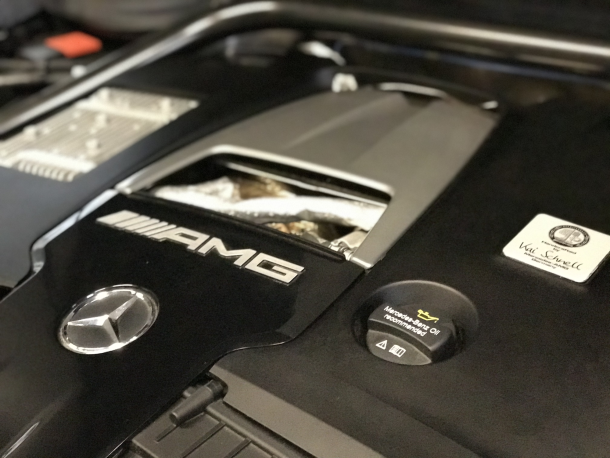
Step 4: Fuel System Optimization
A tuned engine demands more fuel — and faster delivery.
Upgrading your fuel injectors, pump, or pressure regulator can prevent lean conditions that might damage your engine.
For turbocharged or supercharged setups, this step is critical.