
The best tools and computers for tuning cars
Discover the essential tools and computer setups every professional tuner needs. Learn which hardware, software, and specs ensure smooth, reliable ECU tuning performance.
In this article
In professional ECU calibration, the quality of the tools and the reliability of the computer make the difference between efficient, precise work and costly setbacks. Tuners and advanced enthusiasts know that modern vehicles require more than basic diagnostic equipment. Choosing the right combination of hardware and software ensures that programming is safe, fast, and compatible with the latest ECU technologies.
Choosing professional tuning tools
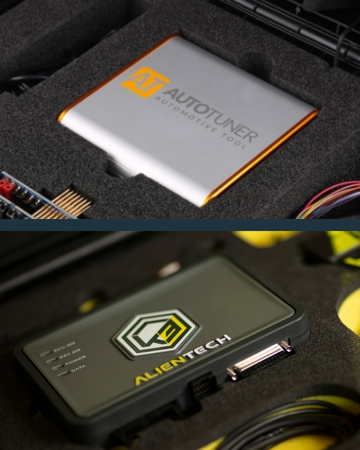
When it comes to tools for ECU programming, there is no single “best” device for every situation. Different tools specialize in different protocols, ECU families, and access levels. A professional environment often includes multiple devices to cover both OBD programming and bench or BOOT operations.
For example, widely used interfaces from established manufacturers provide consistent updates and support for new vehicles. These tools allow reading and writing via OBD where possible, while offering bench and BOOT modes for ECUs with restricted access. Stability during communication, clear pinout documentation, and reliable recovery functions are essential features that define a high quality tuning tool.
The real best choice depends on the type of vehicles a tuner works with. Passenger cars, light commercial vehicles, heavy duty engines, and motorcycles often require different protocols. A well equipped tuner therefore invests in a toolkit that ensures coverage across their specific target market.
Need help choosing the right tuning tool? Contact one of our specialists.
The role of the Computer
Equally important as the tuning interface is the computer running the software. Modern calibration tools are resource intensive, especially when handling large ECU files, multiple protocols, or additional data logging.
The best setup for tuners includes:
-
A reliable operating system, most commonly Windows, as most professional tuning software is built for it.
-
At least an Intel i5 or equivalent processor, though i7 or higher is recommended for heavy file handling.
-
A minimum of 8 GB of RAM, with 16 GB preferred for running editing software alongside tuning suites.
-
Solid state storage for fast file access and quick data transfer.
-
Stable USB ports and power supply to avoid interruptions during ECU communication.
A rugged laptop is often chosen for workshop environments, where durability and portability are important. Many tuners maintain one dedicated machine for tuning only, keeping it free of unnecessary software to reduce the risk of conflicts or slowdowns.
Running software such as HP Tuners
Some tools have specific system requirements. For example, running HP Tuners software requires a Windows based computer with sufficient processing power and memory to handle both the editing suite and real time logging. While the exact specifications depend on the version of the software, most professionals agree that a mid to high performance laptop ensures smoother operation and fewer interruptions.
The key is not just meeting the minimum requirements, but exceeding them. A powerful computer reduces the risk of lag during live data logging or file processing, which is critical when working with customer vehicles where stability is non negotiable.
Integration of tools and workflow
A professional tuner’s setup is not defined by one tool or one computer but by how these elements integrate into a workflow. The tuning tool must be supported by reliable software, and the computer must provide the stability and speed required for processing large amounts of ECU data. Combining the right equipment ensures that communication with the ECU is secure, files are edited efficiently, and recovery options are always available.
There is no single universal tool or computer that fits every tuner’s needs. The best results come from choosing equipment that matches the vehicles being calibrated, supported by a computer that provides stability and performance beyond the minimum requirements. Professional tuning depends on a combination of certified tools, updated protocols, and reliable computing power.
For tuners and advanced enthusiasts, investing in the right hardware is as important as mastering the software itself. With a well structured setup, ECU calibration becomes safer, faster, and more precise, ensuring consistent results for every project.