
Engine tuning explained: what it is, how to do it and if it’s worth it
This blog explains how professional engine tuning delivers real performance and efficiency gains through precise, dyno-validated calibration.
In this article
Engine tuning is the disciplined recalibration of how a powertrain produces torque across the operating range. In practical terms it is the process of aligning requested torque air charge fuel mass ignition or injection timing and protection strategies so the engine delivers more usable performance or efficiency without compromising safety nets. When professionals talk about tuning up an engine they mean a coherent calibration with repeatable results, not a collection of guesswork edits. This is the standard that Dyno-ChiptuningFiles applies in daily work with certified programmers and dyno tested files.
What engine tuning really means
Modern engines are managed by a control unit that supervises torque request modeling, airflow prediction, fuel delivery, spark or injection timing, boost control, and thermal protection. Tuning adjusts the calibration tables and limiters that the software references. We do not rewrite core logic, we refine the targets and relationships the control unit already uses.
How to tune your engine with professional workflow

A safe and efficient workflow matters more than any single tool. The steps below are the baseline process used by Dyno-ChiptuningFiles and by workshops that value reliability.
Intake and inspection
-
Full diagnostic scan to confirm no active faults
-
Verification of service status, air and fuel filters, plugs or injectors as relevant, correct tire size data on vehicles with sensitive torque arbitration
-
Boost and smoke leak checks on charged engines, compression and leak down where history is uncertain
Baseline measurement
-
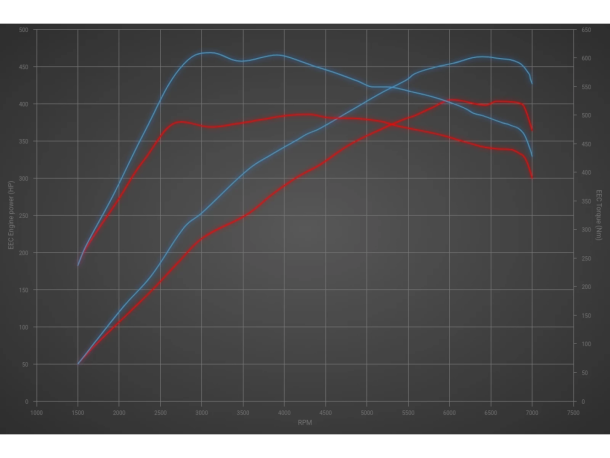
Controlled dyno pull or structured road logs to record stock torque air mass charge pressure lambda or smoke index ignition or injection timing and key temperatures
-
Confirmation of transmission behavior and stability control interaction at stock power
Read and backup
-
Secure read of the original file and any coding data, multiple backups, clear vehicle identification

Calibration change
-
Installation of a Dyno-ChiptuningFiles file that preserves protections and maintains a coherent torque model
-
Where custom targets are required, parameterization for fuel quality altitude track use towing or economy
Validation
-
Steady state points and transient sweeps on an eddy current dyno with sensor logging for boost, lambda or smoke, rail pressure, timing, and exhaust temperatures
-
Short road verification to confirm correct shift logic and drivability in traffic and on the motorway
Is engine tuning worth it
For a healthy platform the answer is yes when the calibration is coherent and validated. The value is not only peak power. Gains often include earlier and flatter torque, sharper and more predictable pedal response, improved part load efficiency, and stable temperatures during long pulls. Workshops benefit from consistent outcomes, fewer come backs, and clear documentation that supports insurance and compliance conversations. Tuning becomes a poor value when the base vehicle is unhealthy, when protections are removed, or when expectations do not match the use case. A disciplined approach ensures that customers receive measurable results that align with their needs.
Can petrol engines be tuned
Yes. Petrol engines respond strongly to calibration when the torque model is correct and the fuel quality is appropriate for the requested advance and load. On naturally aspirated petrol engines the scope is limited to response and modest area gains through ignition and cam phasing optimization. On petrol turbo engines there is significant benefit from coordinated changes to boost targets, load models, ignition timing, and mixture control, always within knock and temperature limits. Dyno-ChiptuningFiles delivers petrol files that retain knock detection, catalyst protection, and temperature strategies while providing tangible midrange torque and sustained top end power where hardware permits.
What tuning up an engine should never be
Tuning should never be the removal of protections or emissions diagnostics. It should never be a blind increase in boost or fuel. It should never be a single wide open throttle pull and a promise. Professional work is data driven and repeatable. That is why we validates on the dyno and on the road and why we give workshops clear logging targets and acceptance thresholds.
Disadvantages and how to manage them
Every modification has trade offs. Clear professional communication turns these into managed risks rather than surprises. Potential downsides include reduced margin if the calibration is pushed too far, higher thermal load during extended full throttle use, additional driveline stress from earlier torque, and administrative effort with insurance and documentation. With Dyno-ChiptuningFiles the mitigations are baked in. We respect factory protection, and we set conservative limits for real road conditions.
Why workshops choose Dyno-ChiptuningFiles.com
-
Certified programmers who work inside the factory strategy rather than switching off safety systems
-
4x4 Dyno tested files with transparent logging targets that you can reproduce
-
Custom options for economy towing track days and hardware upgrades, all within a defined safety envelope
-
Responsive support that helps you resolve edge cases quickly
Conclusion
Engine tuning is the precise calibration of how a control unit requests and delivers torque. Done correctly it provides measurable performance and efficiency benefits while preserving reliability. Petrol engines respond well when the torque model and protections are respected. Decisions about turbo capability must be based on mechanical strength, thermal capacity, fuel and control strategy, not on hope. With Dyno-ChiptuningFiles you install files that are proven on the dyno, supported by data, and ready for real world use.